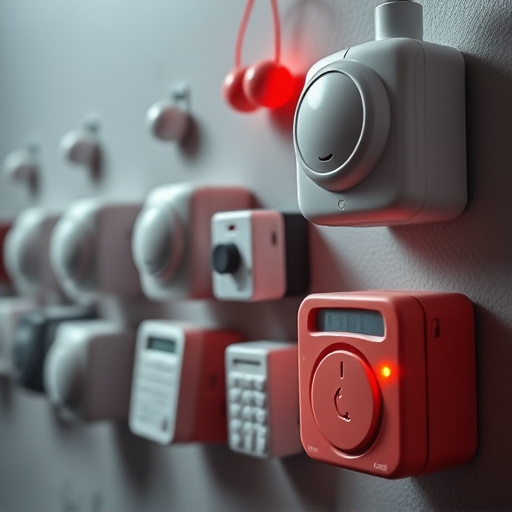
Personal alarms with maximum 120+ dB decibel levels are essential for safety. Prioritize loudness, strobe lights, vibration, long battery life, and water resistance when choosing a tool. Strategically place alarms near windows or hold at chest height for optimal deterrence. Responsibly use alarms according to local laws, following guidelines to avoid false alerts.
Personal safety is paramount, especially when navigating unfamiliar or potentially dangerous environments. Among the tools available, personal alarms with built-in alarm functions offer a powerful deterrent and emergency communication device. This article explores essential features of these devices, focusing on decibel power as a key indicator of their effectiveness in enhancing personal safety. We’ll guide you through choosing the right alarm, optimizing placement for maximum impact, and understanding legal considerations to ensure responsible use.
- Understanding Personal Safety Tools: Essential Features
- Decibel Power: The Alarm's Impact on Safety
- Choosing the Right Alarm for Maximum Protection
- Placement Matters: Optimizing Alarm Effectiveness
- Legal Aspects: Using Alarms Responsibly and Effectively
Understanding Personal Safety Tools: Essential Features
Personal safety tools with alarm functions are crucial for anyone who wants to be prepared in case of emergencies. When choosing a personal safety tool, understanding its essential features is key. One of the most important aspects is the maximum decibel level of the alarm. A high-decibel alarm can deter potential attackers and draw attention, increasing your chances of getting help quickly.
Other critical features include ease of use, compact design for portability, and long-lasting battery life. Water resistance and multiple alarm modes are also beneficial. These tools should be reliable and durable, designed to withstand harsh conditions, ensuring you have a functioning device when you need it most.
Decibel Power: The Alarm's Impact on Safety
The power of a personal alarm’s sound is measured in decibels (dB), with higher numbers indicating greater intensity. A maximum decibel level of 120 dB is considered an effective range for personal safety alarms, as it can easily penetrate environments and grab attention. This high-decibel output serves as a crucial deterrent to potential threats, ensuring that users have a powerful tool against unexpected dangers.
The impact of such loud alarms can be life-saving, particularly in noisy outdoor settings or enclosed spaces where other sounds might mask alerts. A well-designed personal alarm with maximum decibel capabilities can startle assailants and attract help, providing an extra layer of security for individuals who may find themselves in perilous situations.
Choosing the Right Alarm for Maximum Protection
When selecting a personal alarm with an alarm function, the primary consideration is achieving maximum decibels to ensure robust protection. The loudness of the alarm, measured in decibels (dB), directly correlates with its effectiveness in deterring potential threats. Aim for devices emitting 120 dB or higher, as this level is typically considered the threshold for sharp and immediate attention.
High-decibel personal alarms offer not only a powerful sound but also a range of features like strobe lights and vibration mechanisms that enhance their impact. These additional tools can be vital in noisy environments where audible alarms might go unheard. Additionally, considering factors such as battery life, ease of use, and weather resistance will contribute to making the right choice for your safety needs.
Placement Matters: Optimizing Alarm Effectiveness
Placement is key when it comes to maximizing the effectiveness of a personal alarm for safety. The loudness of the device, measured in decibels (dB), is only part of the equation. Strategically positioning your personal alarm can significantly enhance its impact. For instance, placing it near windows or doors can ensure that the sound reaches potential intruders first, providing an early warning system.
Additionally, holding the alarm at chest height when activated allows for a louder projection of the shrill sound, making it more likely to startle and deter attackers. Testing different placement methods and understanding how sound travels in various environments is essential to ensuring your personal safety tool works as intended in every situation.
Legal Aspects: Using Alarms Responsibly and Effectively
Using personal alarms responsibly involves understanding local laws and regulations, especially regarding sound levels. It’s crucial to choose a device with a maximum decibel level that complies with legal standards to avoid disturbing neighbors or causing unnecessary alarm. Devices exceeding permissible decibel levels can lead to fines or legal repercussions, undermining the very purpose of enhancing personal safety.
Effective deployment also entails using alarms in appropriate situations and according to manufacturer guidelines. This includes ensuring clear and distinct sounds to deter potential threats while minimizing false alerts that could desensitize individuals or disrupt communities. Responsible use of personal alarms fosters a safer environment for everyone without causing unnecessary disturbances.
Personal safety tools with alarm functions are powerful resources for enhancing individual security. By understanding key features, leveraging the decibel power of alarms, making informed choices, ensuring proper placement, and adhering to legal guidelines, you can maximize their effectiveness. With the right tool, you can protect yourself in various situations, promoting peace of mind in today’s world.