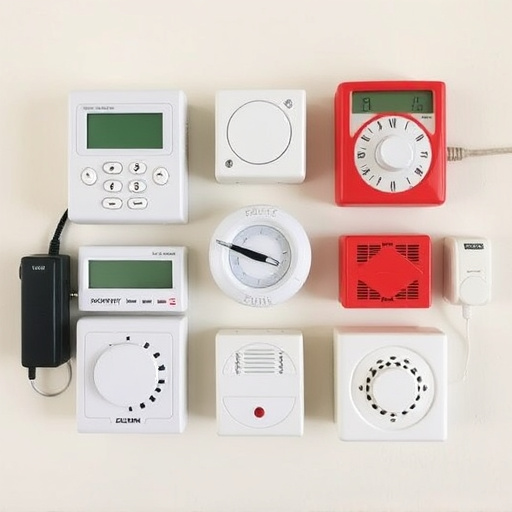
In today's digital age, lone worker safety is paramount with remote work on the rise across industries. Traditional communication methods often fail to reach isolated workers promptly in emergencies. Lone Worker Safety Alert Systems, featuring maximum decibel personal alarms (105+ dB), offer reliable communication and quick assistance. These portable, durable devices enhance security by integrating GPS tracking and emergency services, ensuring immediate help for remote or hazardous locations. Effective use requires worker training, regular testing, maintenance, and clear protocols, making these systems essential for enhancing overall safety.
Lone workers, often unsupervised and isolated, face unique risks. This article explores the vital role of Maximum Decibel Personal Alarm Safety Systems in addressing these challenges. We delve into the growing need for such systems, highlighting their key components and how to ensure their effective use. From understanding decibel levels for optimal alertness to implementing best practices, this guide equips you with essential knowledge to enhance lone worker safety.
- Understanding the Need for Lone Worker Safety Alert Systems
- Key Components of a Maximum Decibel Personal Alarm Safety System
- Implementing and Ensuring Effective Use of Lone Worker Alarms
Understanding the Need for Lone Worker Safety Alert Systems
In today’s digital era, ensuring the safety of lone workers is more critical than ever. With an increasing number of individuals working in isolation across various industries, from construction sites to remote care settings, the need for effective communication and alert systems has become paramount. Traditional methods often fall short when it comes to reaching or warning these remote workers promptly, especially in emergencies. This is where Lone Worker Safety Alert Systems step in as a game-changer.
These systems are designed to provide a reliable means of communication, ensuring that isolated employees can quickly access assistance and alert relevant authorities in case of an accident or distress situation. A key component of such systems includes personal alarms with maximum decibel ratings, guaranteeing loud, attention-grabbing signals to attract help even in the most remote locations. By integrating these alerts into their daily routines, workers can feel more secure while working alone, knowing that assistance is readily available should any unforeseen circumstances arise.
Key Components of a Maximum Decibel Personal Alarm Safety System
A Maximum Decibel Personal Alarm Safety System is designed to protect lone workers by providing a loud, attention-grabbing signal in case of emergencies. The key components include a durable and portable alarm device equipped with a powerful speaker capable of emitting sounds at or above 105 decibels—the recommended level for ensuring maximum audibility in various environments. This personal alarm should be easily accessible and comfortable to wear, allowing users to activate it quickly when needed.
Additional features such as water resistance, long battery life, and a strobe light enhance the system’s effectiveness. Integration with GPS tracking or emergency services can further improve response times by enabling rapid location identification. These comprehensive systems are essential for lone workers in remote or hazardous locations, ensuring their safety and peace of mind.
Implementing and Ensuring Effective Use of Lone Worker Alarms
Implementing and ensuring effective use of lone worker alarms is paramount for their success in enhancing safety. These personal alarms, with a maximum decibel rating, are designed to attract attention quickly when activated, serving as a critical lifeline in situations where immediate assistance is needed. To maximize their impact, workers must be trained on how and when to use them, emphasizing the importance of both voluntary and automatic activation scenarios. Regular testing and maintenance are equally vital to guarantee alarms function reliably, ensuring they become second nature in daily routines rather than gathering dust as unused equipment.
Encouraging open dialogue about alarm usage among colleagues can foster a culture of safety awareness. Workers should feel comfortable activating alarms not just for personal distress but also for observing fellow lone workers in peril. Effective implementation involves clear communication channels, prompt response protocols, and regular evaluation to adapt systems based on evolving workplace dynamics. By integrating these practices, organizations can make sure their lone worker alarm systems achieve their intended purpose of providing timely assistance and enhancing overall safety.
Lone workers face unique risks that require robust safety measures, and Maximum Decibel Personal Alarm Safety systems are a vital tool in mitigating these dangers. By equipping individuals with powerful personal alarms and implementing effective strategies for their use, employers can significantly enhance response times during emergencies, ensuring the well-being of their workforce. This article has highlighted the essential components and best practices for successful implementation, offering a clear path to creating safer environments for lone workers.